For most of American history, and human history as a whole, poverty was overwhelmingly associated with hunger and undernutrition. Often the greatest challenge and danger of poverty was starvation, and many people barely received enough calories to survive. Excess body fat was sometimes seen as a sign of wealth and status, since it meant one could afford extra food.
In the past several decades, however, a remarkable shift has occurred in the effects of poverty in America. While food insecurity still exists, clinical undernutrition is rare today; only 1.6% of U.S. adults are underweight as of 2018. Instead, American poverty today is associated with obesity and poor dietary quality. People who live in poverty-dense areas are more prone to obesity, and lower-income groups tend to have significantly greater obesity rates than higher-income groups, particularly among women.
Obesity and poor nutrition often entail a variety of challenges, including chronic illnesses, developmental issues, social stigma, high medical expenses, and earlier death. Given the fact that obesity affects over 42% of Americans today and has its most pronounced effects in lower-income communities, it is reasonable to conclude that obesity and poor food quality are greater problems for these communities than undernutrition is.
While there are several factors contributing to the prevalence of obesity in low-income communities, such as food deserts, lack of nutritional education, and the relative affordability of ultra-processed foods, one specific federal program has recently come under fire for its role in sustaining this problem.
That program is the Supplemental Nutrition Assistance Program (SNAP), also known as food stamps, which is authorized by the U.S. Department of Agriculture. SNAP subsidizes food purchases for low-income households, and it provides benefits to as many as 42 million Americans. However, leaders across the political spectrum are criticizing the program for its failure to promote healthy outcomes.
SNAP was signed into law as a permanent program in the Food Stamp Act of 1964, with the goal of subsidizing caloric intake for low-income Americans in order to combat undernutrition. Yet, as obesity has replaced undernutrition as the primary nutrition-related health issue for low-income Americans, this goal has become less relevant and even counterproductive.
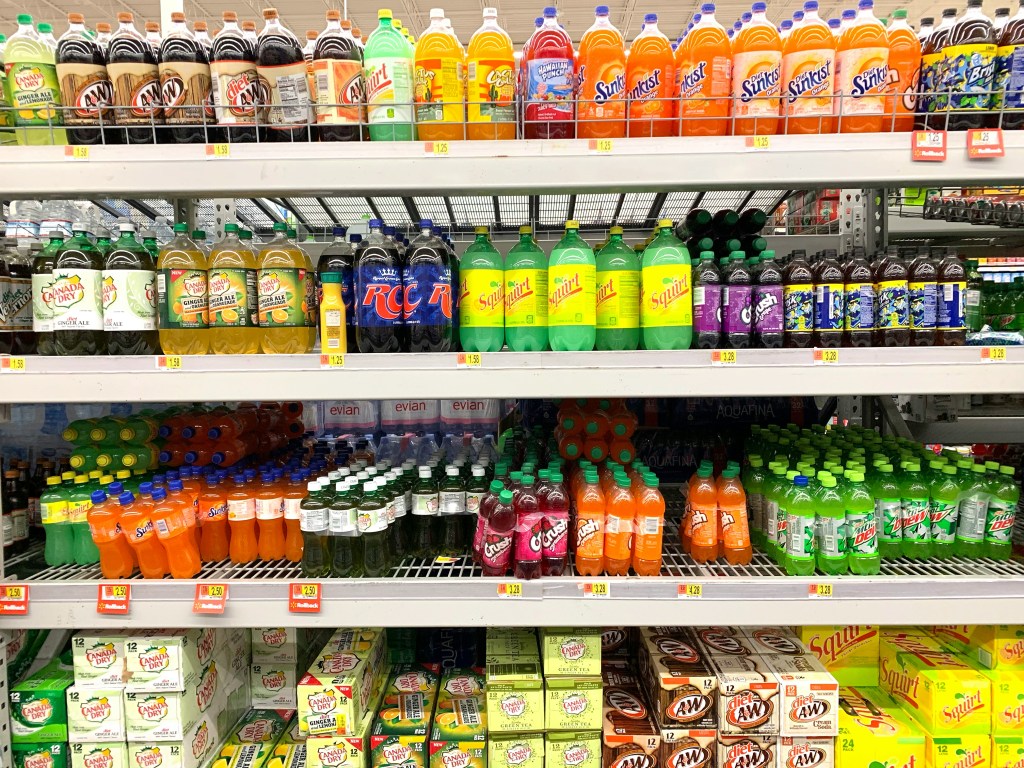
SNAP benefits come with almost no restrictions and can be used to buy a multitude of unhealthy foods, including sugary sodas, ultra-processed foods, and even candy. Nearly one-quarter of food purchases by SNAP recipients are for junk food, and 9.25% of purchases by SNAP recipients are for sweetened beverages, which generally have no nutritional value and contribute greatly to obesity.
Furthermore, low-income Americans on SNAP are actually more likely to experience obesity than other low-income Americans not on SNAP. Low-income SNAP households purchased fewer fruits, vegetables, whole grains, and healthy proteins than low-income non-SNAP households, and SNAP was associated with poor diet quality even when controlling for access to stores offering healthy foods. SNAP’s lack of specification for the nutritional value of foods means that the USDA’s largest program, which cost $145 billion in 2023, may be subsidizing unhealthy eating rather than truly helping low-income individuals improve their nutrition.
In recent years, politicians from both major political parties have been arguing in favor of banning purchases of soda and other junk foods from SNAP eligibility. However, this change faces major resistance from trade groups, and some critics argue that any form of restriction on SNAP purchases unjustly infringes on the right of low-income Americans to choose what they want to eat. Given that SNAP recipients can still choose to buy soda with their own money, this criticism fails to differentiate between the ‘right to choose’ and the ‘right for those choices to be subsidized.’
As SNAP is a federal program administered by the states, states must request waivers from the USDA in order to add any restrictions to their state SNAP programs. This year, several states have begun seeking waivers to ban sugary beverages from SNAP, with Nebraska being the first to obtain a waiver on May 19, 2025. It is yet to be seen how widespread these changes to SNAP will be or how effective they will be. Regardless, policies that encourage nutritious eating while maintaining access to food across income levels should be viewed as a step in the right direction.
References:
Caporuscio, J. (n.d.). Food deserts: Definition, effects, and solutions. Medical News Today.
Edwards, C. (2023, September 1). SNAP: High Costs, Low Nutrition. CATO Institute.
Levine J. A. (2011). Poverty and obesity in the U.S. Diabetes, 60(11), 2667–2668.
 I'll Have What They're Having
Leave a comment