
Blog
Learn about food laws, policies, and practices in the U.S. and abroad.
All Posts
Explore my insights, analyses, and reflections from the U.S. and abroad in the healthiest countries on Earth.
-
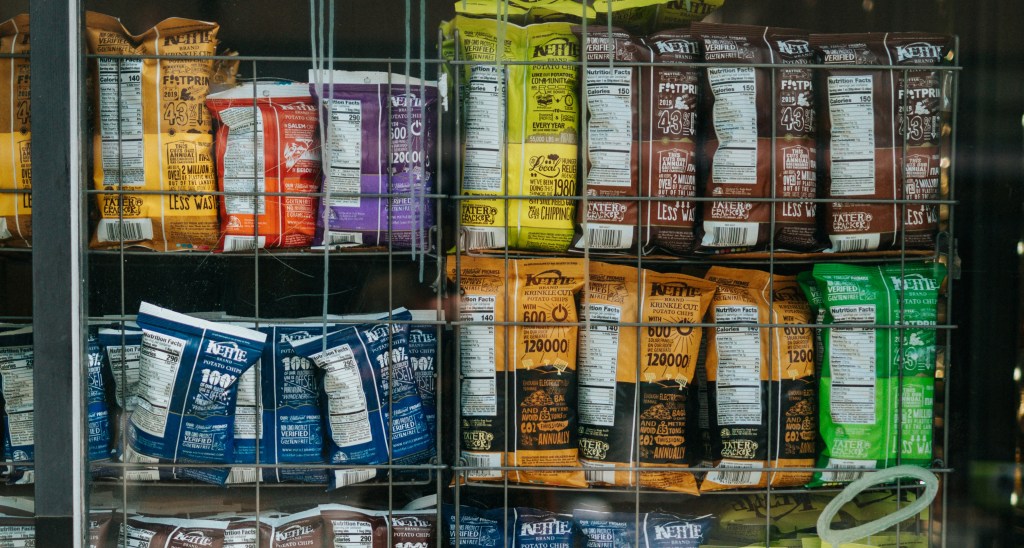
When the average person tries to eat healthy, how do they determine what to eat? Do they calculate how many grams of saturated fat, sodium, and sugar they’ve had that day and choose whichever foods don’t push them past a daily maximum? Do they measure out how much Vitamin C, potassium, and dietary fiber they…
-
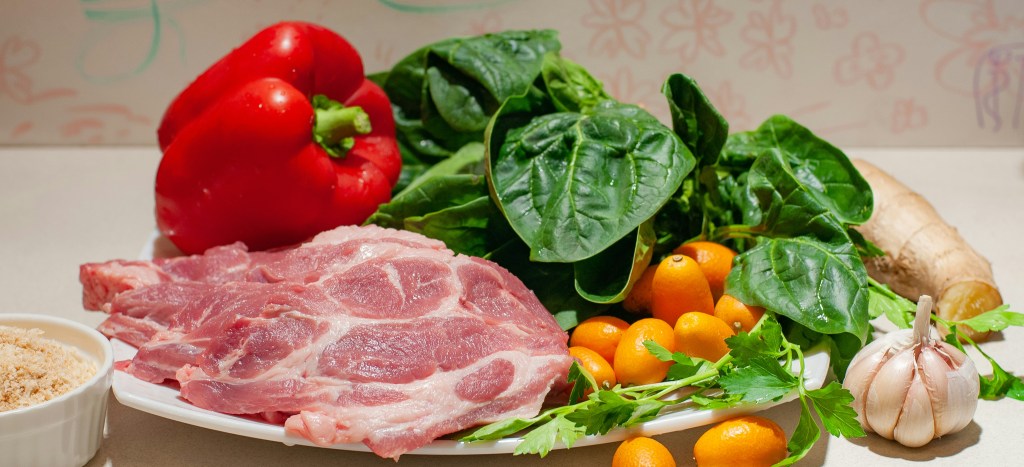
Just a few days ago, on January 7, 2026, the USDA and HHS released their new Dietary Guidelines, which literally flipped the traditional “food pyramid” upside down. This new nutritional guidance has been all over the news, largely due to how significantly it departs from previous federal guidance and how closely entwined it is with…
-

As I’ve had conversations about food governance with readers and friends over the course of running this blog, I’ve found that there are many people who broadly oppose government-driven reforms to our food system—not due to a belief that such policies will lead to worse outcomes, but due to a fundamental opposition to the very…
-
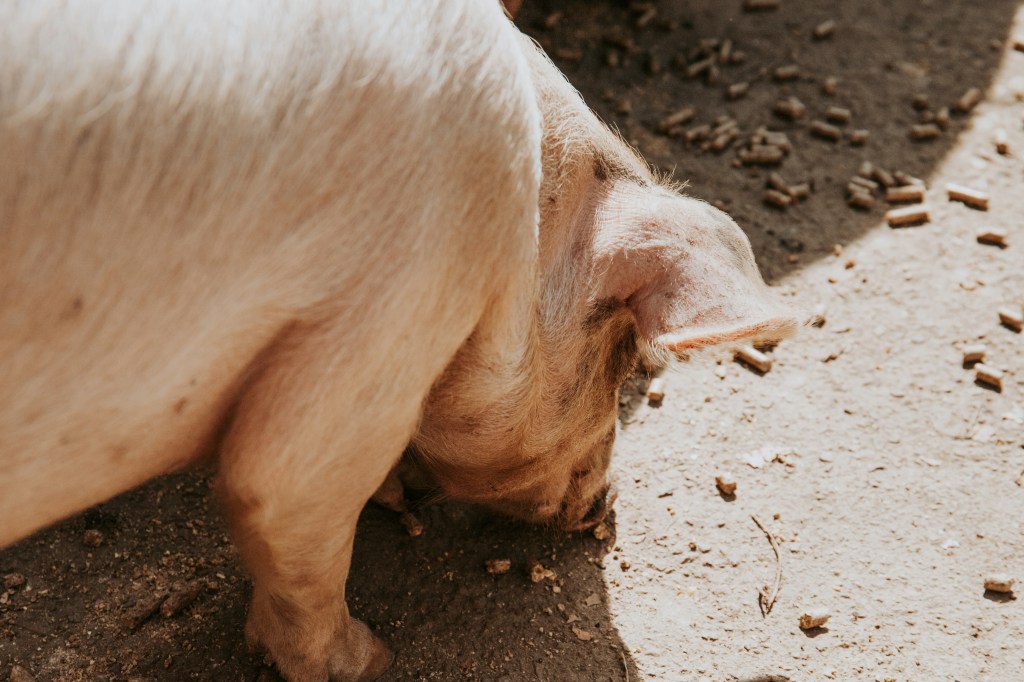
Heart palpitations in humans, collapsing “downer” pigs, and international restrictions on importing U.S. pork should’ve been enough to get the meat-industry drug known as ractopamine out of our food supply. However, in a case that epitomizes our nation’s hands-off approach to food regulation, ractopamine is legal in the United States and fed to the majority…
-
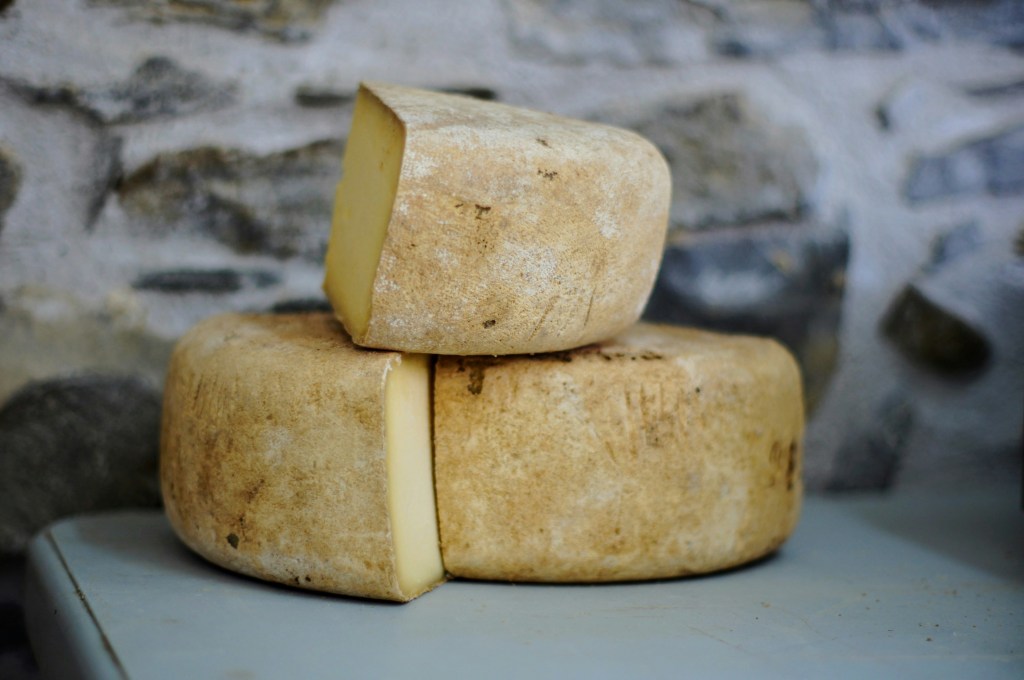
One of the greatest delights I experienced while traveling throughout Italy was the abundance of fresh parmesan cheese served with food at most restaurants. While I’ve always enjoyed parmesan cheese in the United States, true Italian parmesan—officially known as Parmigiano-Reggiano cheese—is on a different level in terms of flavor, with an intensely savory, buttery profile.…
-
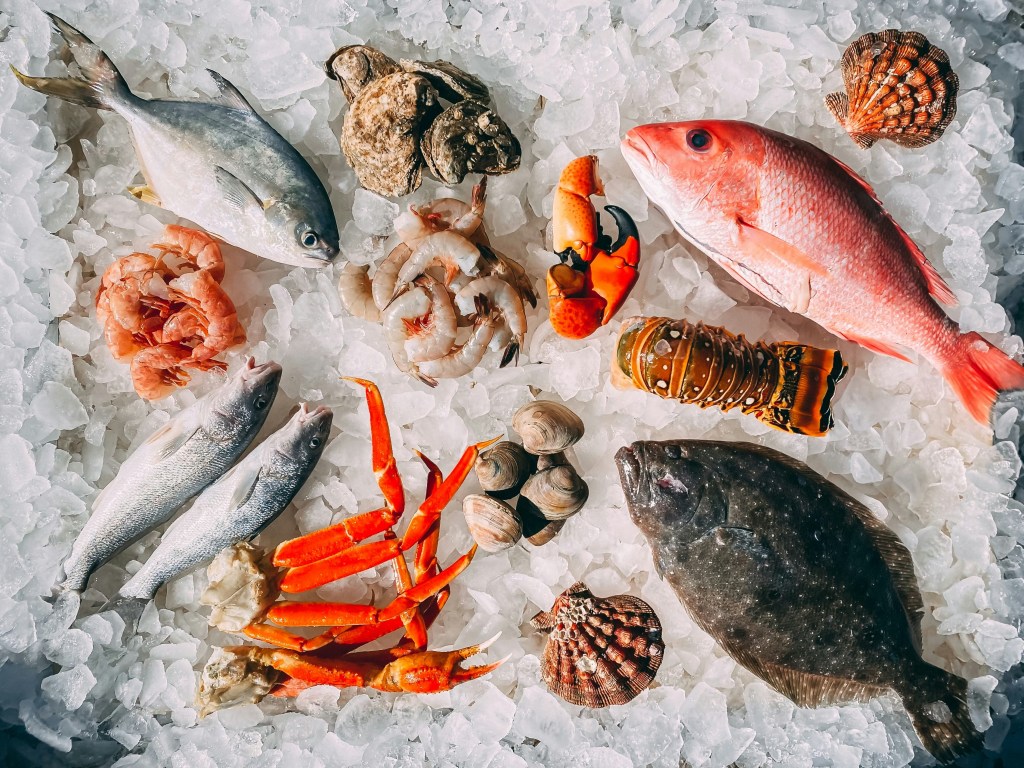
Fish, particularly fatty fish, is one of the most beneficial foods for protecting one’s health. Compared with virtually any other animal-based food, fish has the strongest positive association with chronic disease prevention and longevity when consumed regularly. Yet, while U.S. consumption of less-beneficial proteins like red meat and poultry is extremely high, most Americans do…
-
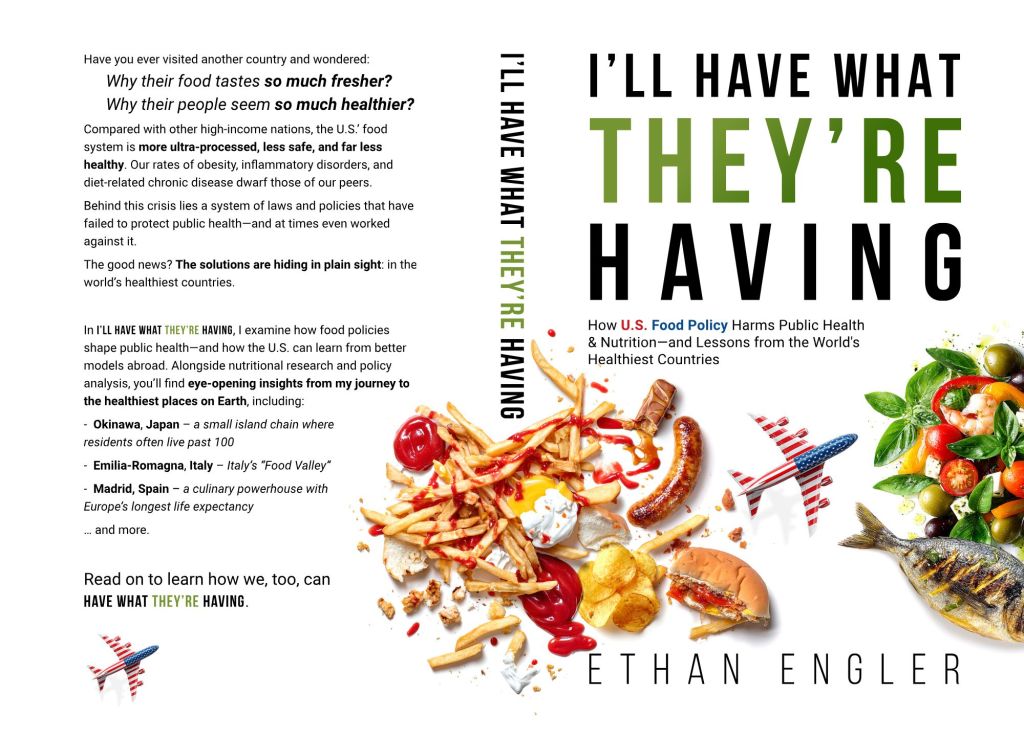
After months of researching, writing, and fine-tuning, I’ll Have What They’re Having is out on Amazon! This nearly 250-page book is packed full of deep insights into the food systems of the United States and our healthier peers—along with surprising travel stories and cutting-edge research on nutrition and health. I’ll Have What They’re Having can be…
-

The following is an excerpt from my upcoming book, I’ll Have What They’re Having, which will be released in the coming weeks. This chapter is titled, “A Walk Through The Typical American Supermarket.” Let’s take an imaginary walk together through an average, run-of-the-mill American supermarket to understand how government subsidies affect our diets. As a…
-

If you were a regulatory agency, and your goal was to protect the health and safety of your country’s consumers, which system would you use to regulate the chemicals added to food? Would you use a precautionary system—in which any new food additive must be independently tested for safety before companies can add it to…
-

I’m writing this post from the lively city of Madrid, Spain—one of the healthiest places in the world. In 2019, Spain was rated the healthiest nation on Earth by the Bloomberg Healthiest Country Index. Spain’s life expectancy of 84 years is the highest of any country in the European Union, and Madrid’s life expectancy of…
-
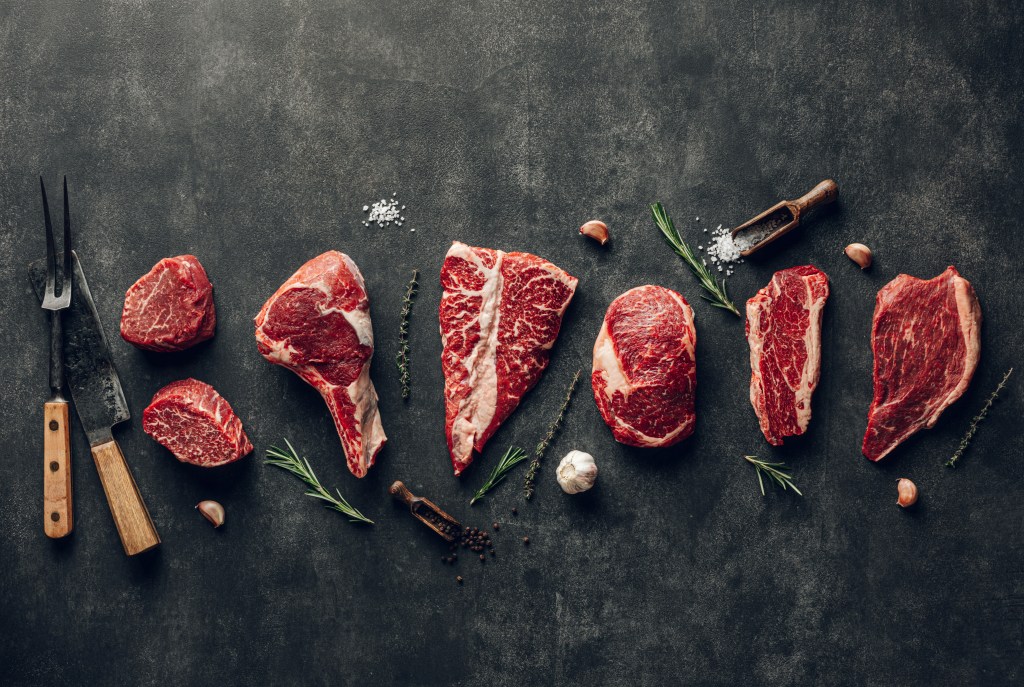
You’ve probably heard the following statements before: “You need to eat lots of protein!” “Protein makes you strong!” “Protein is super healthy for you!” Well—these statements aren’t wrong. Protein is essential in your diet, it is necessary for building muscle, and it is in itself a very healthy macronutrient. However, not all protein-dense foods are…
-
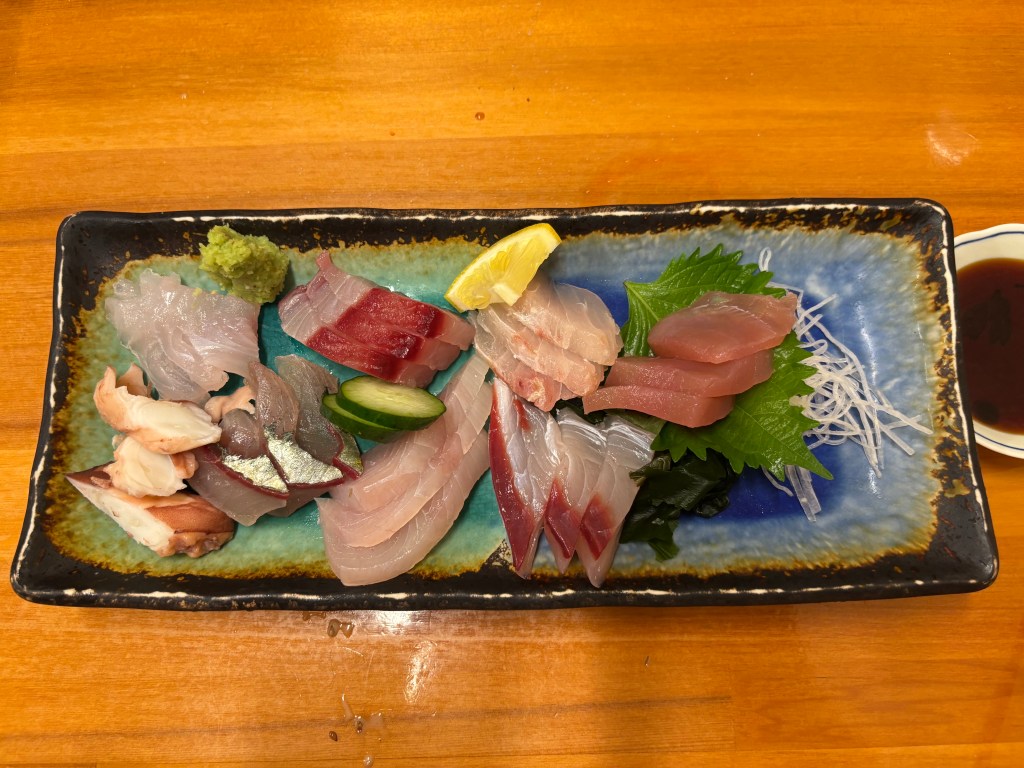
I traveled to Okinawa, Japan, one of the world’s five official “Blue Zones” known for the exceptional health and longevity of their inhabitants. In Okinawa, rates of ailments like cancer, heart disease, and dementia are far lower than global averages. Many centenarians (people older than 100) live in Okinawa, and despite their age they are…
-
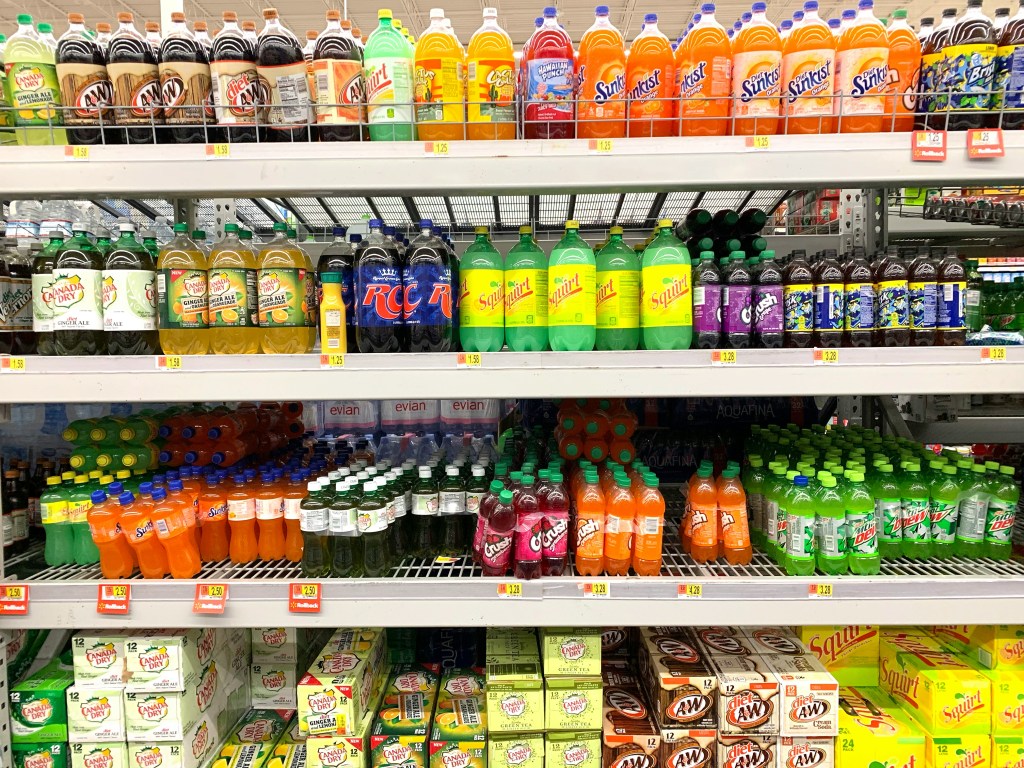
For most of American history, and human history as a whole, poverty was overwhelmingly associated with hunger and undernutrition. Often the greatest challenge and danger of poverty was starvation, and many people barely received enough calories to survive. Excess body fat was sometimes seen as a sign of wealth and status, since it meant one…
-
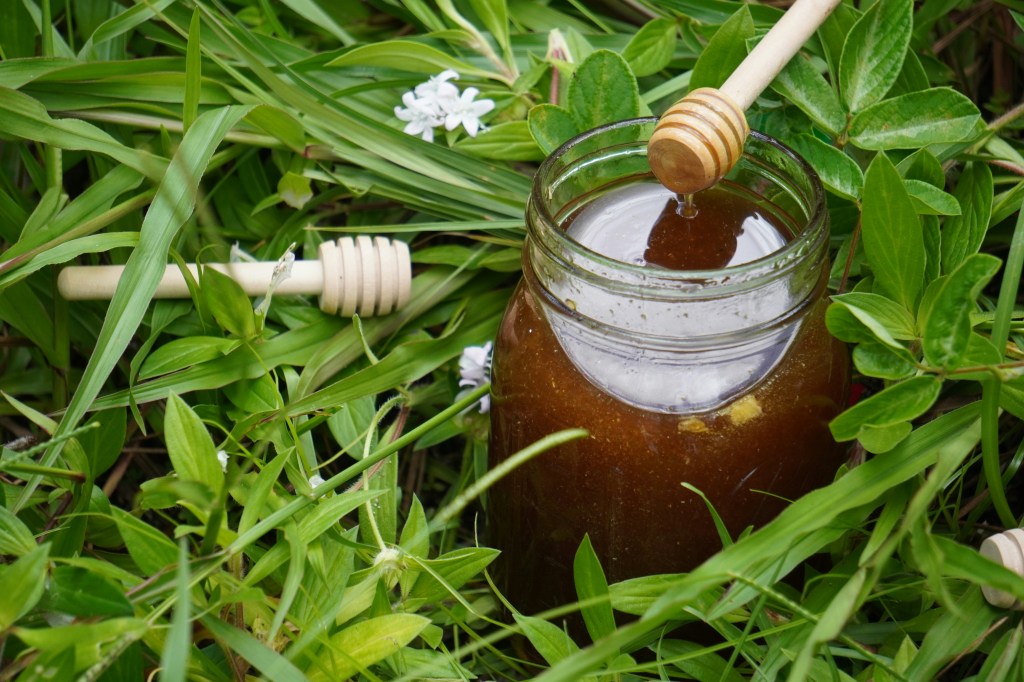
Let’s be honest—sweet things taste good. Really good. In fact, we’re biologically programmed to love the taste of sweet things, since sugars are full of easy-to-access, quick energy. Unfortunately, science has shown consistently that excessive consumption of sugar, especially added sugar, is very harmful to our health, leading to issues like obesity, type 2 diabetes,…
-

Just a few weeks ago, I was on the island of Corfu, Greece. On top of its fascinating history, warm people, and gorgeous scenery, Greece is known for having some of the most fresh and delicious cuisine on Earth, so I spent my time trying out as much local food as I could possibly eat.…
-

Have you ever gone to the grocery store and wondered why the pack of fruits you wanted costs more than a bag of corn chips, a box of sugary cereal, and a large soda combined? Or why a pound of asparagus costs more than a pound of ground beef from a cow who had to…
-

For the past week I’ve been traveling through Transylvania, Romania, a region famed for its agrotourism (and Dracula). While looking at towering castles and pigging out on Romanian food—which is delicious and unlike any cuisine I’ve ever had—I noticed something interesting about the places I was eating at. In every food service establishment, whether a…
-

Welcome to I’ll Have What They’re Having! As I travel through the healthiest countries on Earth, I’ll be sharing my insights, stories, and research with you on this blog. I will dive deep into the laws, policies, and cultural practices that shape each country’s food system, uncovering ways that we can learn from their examples…
 I'll Have What They're Having